- Home
- >
- News
- >
- Industry News
- >
- What is the relationship between the strength and material of mooring ropes ?
What is the relationship between the strength and material of mooring ropes ?
The strength of ropes and cables is closely related to their material, and material is one of the key factors determining the strength of ropes and cables. Different materials have varying effects on the strength, wear resistance, corrosion resistance, and other properties of ropes during their manufacturing process.
Generally speaking, the materials of ropes and cables mainly include metal, synthetic fibers, and natural fibers, each with different characteristics and uses. Metal ropes and cables are mainly composed of metal wires, such as steel wires, copper wires, etc., which have high strength and wear resistance, and are suitable for heavy lifting and hoisting fields. Synthetic fiber ropes and cables are made of synthetic fiber materials such as polyester, nylon, polypropylene, etc.
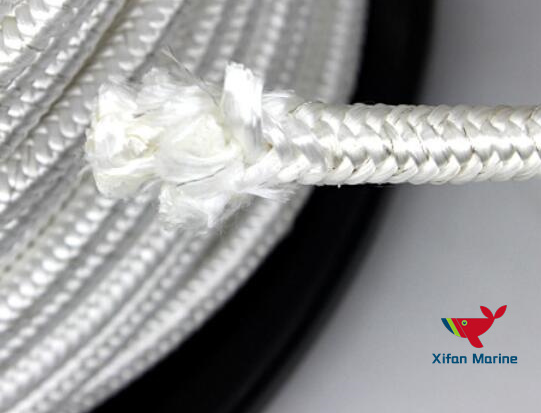
They have a relatively light weight and good wear resistance and corrosion resistance, and are suitable for light lifting and cable fields. Natural fiber ropes and cables are mainly made of plant fibers such as hemp, cotton, jute, etc. Their strength, wear resistance, and corrosion resistance are relatively poor, making them suitable for some lightweight, non essential occasions.
In metal ropes and cables, steel wire rope is a common type of metal rope and cable. Its main material is high-strength alloy steel, which has high strength and wear resistance, and is suitable for various heavy lifting and hoisting work. The strength of a steel wire rope depends not only on the strength and quantity of the steel wires, but also on the weaving method of the steel wires. Different weaving methods can have an impact on the fatigue life and wear resistance of the rope. In addition, steel wire ropes also need regular inspection and maintenance to ensure their safe and reliable use.
In synthetic fiber ropes, polyester rope is a common type of synthetic fiber rope. Its main material is wear-resistant polyester fiber, which has high strength and good wear resistance, and is suitable for some small and medium-sized lifting and cable fields. The strength and wear resistance of polyester rope are related to the fineness and stretchability of the fibers, with higher fineness and stretchability usually indicating better strength and wear resistance. However, polyester ropes are prone to water absorption and expansion in humid environments, which reduces their strength and service life. Therefore, moisture-proof measures should be taken.
In natural fiber ropes and cables, hemp rope is a common type of natural fiber rope and cable. Its main material is natural hemp fiber, which has low strength and wear resistance, and is suitable for some lightweight and non essential occasions. The strength and wear resistance of hemp rope are related to the quality and weaving method of hemp fibers, and higher quality hemp fibers can usually improve the strength and wear resistance of the rope. However, hemp rope is prone to water absorption and expansion in humid environments, reducing its strength and service life, so moisture-proof measures should be taken.
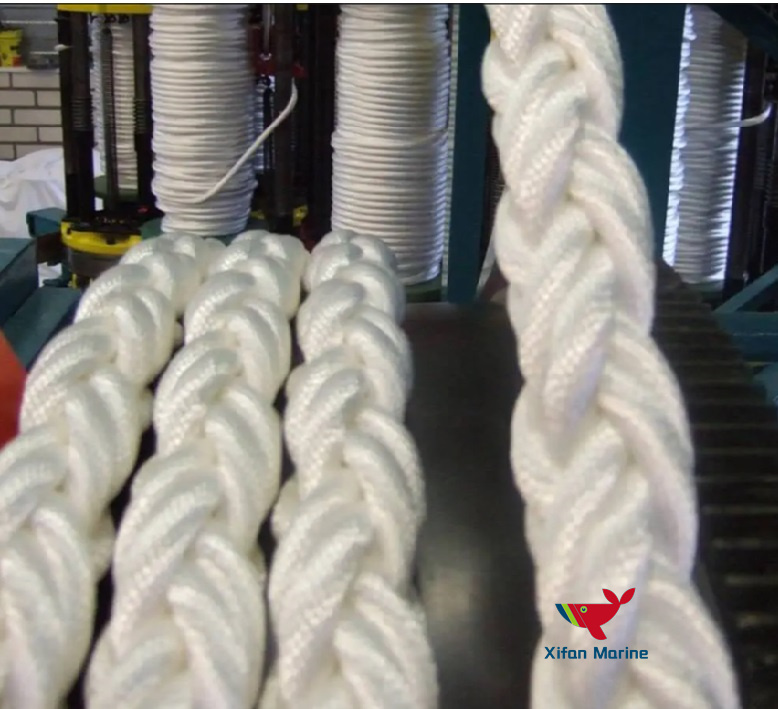
In summary, the strength of ropes and cables is closely related to their materials. Different materials have different effects on the strength, wear resistance, corrosion resistance, and other properties of ropes and cables during manufacturing. Therefore, when selecting ropes and cables, it is necessary to choose suitable materials and specifications based on specific usage scenarios and requirements to ensure their safe and reliable use. At the same time, it is necessary to regularly inspect and maintain the ropes during use to ensure their good condition and lifespan.