- Home
- >
- News
- >
- Industry News
- >
- Peak Typhoon Season: Navigational Safety Tips
Peak Typhoon Season: Navigational Safety Tips
Ultimate Typhoon Preparation & Survival Protocol for Commercial Vessels
Views: 215 Author: Xifan 041 Publish Time: 2026-09-23 Origin: Xifan Site
As the peak typhoon season approaches, maritime safety risks—ranging from anchor dragging and vessel grounding to heavy collisions and cargo shifting—escalate dramatically. Protecting crew members and safeguarding marine assets remain the top priorities for modern shipping operations.
To empower shipowners, operators, and seafarers with proactive risk mitigation, Xifan Marine has curated this ultimate, professional-grade typhoon survival protocol. Bookmark this comprehensive guide for critical weather routing and emergency response!
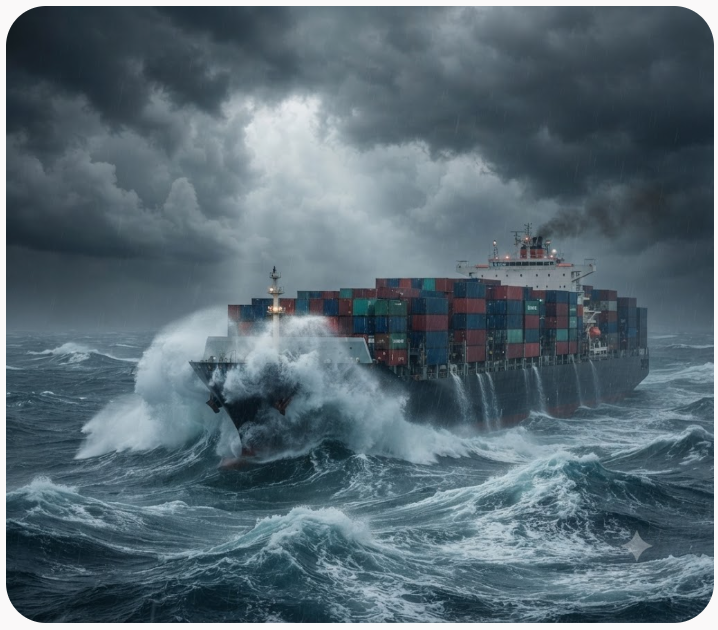
Section 1: Pre-Typhoon Readiness – Proactive Risk Mitigation
1. Continuous Meteorological Monitoring & Route Optimization
Enforce strict 24-hour bridge watchkeeping.
Appoint dedicated deck officers to track typhoon tracks, wind velocity vectors, and pressure drops in real time.
Instantly adjust voyage plans and routing to keep a wide berth from the predicted storm trajectory.
2. Strict Adherence to Safety Thresholds (Red Lines)
Within 48 Hours of Force 10 Wind Radius: Sea trial vessels and tug-and-tow combinations must seek sheltered waters immediately.
Within 48 Hours of Force 12 Wind Radius: Passenger liners, cruise ships, vessels under repair, unpowered barges, and tankers carrying hazardous bulk liquids must evacuate to safe anchorages.
Passenger & Ferry Operations: Must suspend all scheduled sailings in compliance with local maritime authority mandates.
3. Rigorous Machinery & Deck Inspections
Test critical propulsion and maneuvering systems, including the main engine, emergency generator, steering gear, and windlasses.
Secure all ground tackle: inspect anchor chains, tighten brakes, test locking pins, and top up deck fenders.
Batten down watertight doors, cargo hatches, and air vents while clearing all deck drainage lines.
Section 2: In-Storm Navigation & Emergency Maneuvers
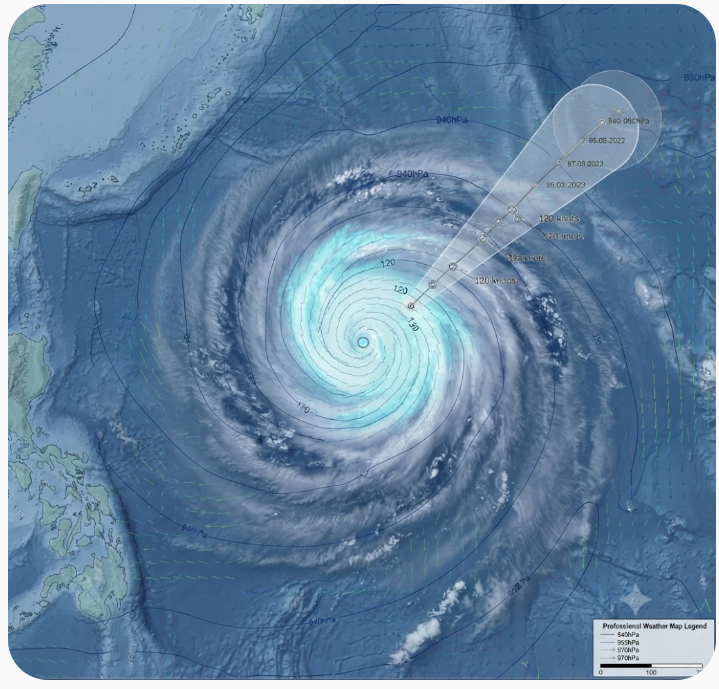
1. Protocol for Vessels Underway
Maintain safe separation distances from the dangerous semi-circle of the storm. Never attempt to cross ahead of a typhoon center.
Keep clear of Force 8 or higher wind zones whenever operational sea room permits.
Monitor rolling periods carefully to prevent synchronized rolling (parametric resonance) and minimize hull stress.
2. Protocol for Anchored and Moored Ships
Select anchorages with good holding ground, protected from multi-directional swells, and clear of underwater cables, wind farms, or bridge piers.
For pier-side vessels, double up mooring lines on the windward side, utilize anti-chafing gear, and keep the main engine on standby status for immediate emergency maneuvering.
Section 3: Post-Typhoon Recovery & Operations Resumption
Damage Assessment: Conduct a thorough structural survey of the hull, cargo lashings, and deck equipment before resuming normal sea speed. Watch out for drifted navigational hazards and floating debris.
Authority Reporting: Submit formal position and damage reports to local Port State Control / maritime authorities and resume operations only under official clearance.
Post-Incident Review: Evaluate the vessel’s storm response performance to refine future Safety Management System (SMS) protocols.
Professional Advisory:
“Safety first, prevention paramount.” Proper preparation minimizes maritime casualties. In the event of an emergency at sea, contact maritime rescue coordination centers instantly. Xifan Marine stands with global seafarers for safe voyages ahead.
- Mooring Equipment
- Mooring Ropes
- Rubber Fender
- Foam Fender
- Marine Bollard
- Mooring Chock&Cleats
- Marine Fairleads
- Warping Roller
- Anchor
- Chain&Chain Accessories
- Anchor Chain Stopper & Bracket
- Deck Equipment
- Marine Winch
- Marine Capstan
- Marine Anchor Windlass
- Crane
- Steering Gear
- Hydraulic Power Unit
- Pollution-Prevention Equipment
- Fresh Water Generator
- 15PPM Bilge Alarm
- Oil Discharge Monitoring
- Marine Sewage Treatment Plant
- Marine Incinerators
- Line Sampler
- Absorbents
- Oil Containment Boom
- Life Saving Equipment
- Lifeboat Davit
- Lifeboat Accessories
- Inflatable Boats
- Life Raft
- Marine Evacuation System
- Life Vest
- Immersion Suit
- Lifebuoy&Accessories
- Lifeboats
- Marine Electric Equipment
- Marine Lights
- Audible Alarm
- Marine Monitor
- Electric Welding Machine
- Gas Alarm
- Melting Machine
- Level Switch
- Paperless Recorder
- Marine Cables
- Navigation & Position System
- Marine Propulsion System
- Weichai Marine Engine
- Yuchai Marine Engine
- Weichai Generator
- Marathon Generator
- Tunnel Thruster
- Marine Propellers
- Controllable Pitch Propeller
- Marine Rudder
- Azimuth Thrusters
- Fire Fighting Equipment
- Fire Hose
- Fire Hose Coupling
- Fire Suit
- Breathing Apparatus
- Personal Fire Fighting Equipment
- Fire Hydrant
- Jet Nozzle/ Spray Nozzle
- External Fire Fighting System
- Fifi System
- Electric Fire Monitor
- Foam Proportioner
- Foam Tank
- Fire Extinguishing System
- Monitor Towers
- Fire Fighting Unit


| Phone : | +86-13397363308 |
|---|---|
| Email : | manager@xifanmarine.cn |