- Home
- >
- News
- >
- Industry News
- >
- Why aren't wire rope used for docking large ships?
Why aren't wire rope used for docking large ships?
In conventional thinking, although hemp rope appears sturdy and reliable, it seems hard to imagine it being able to tow large ships weighing tens of thousands of tons, always feeling like it could break at any moment.
So, does the hemp rope that can drag large ships have some special properties that ordinary hemp ropes do not have?
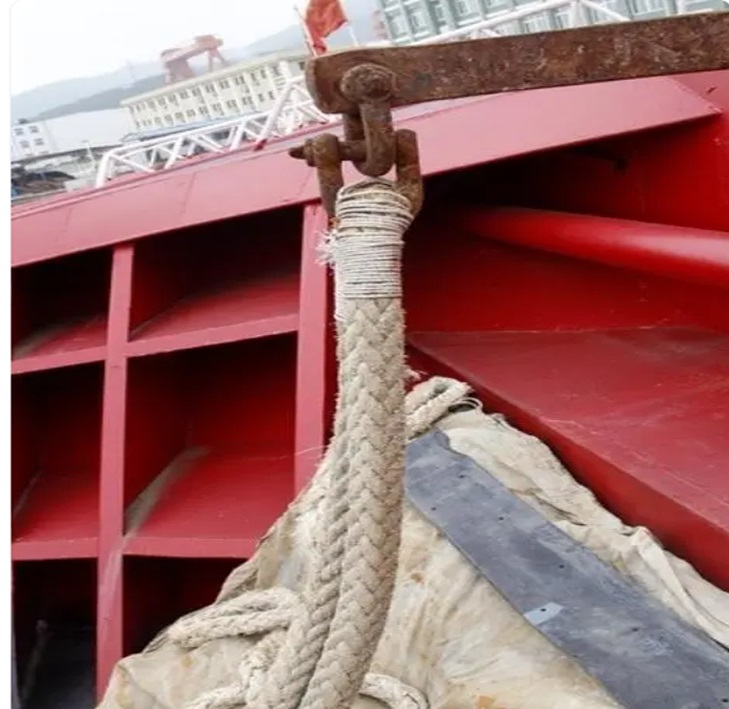
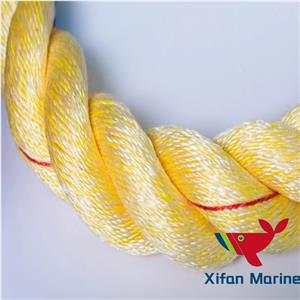
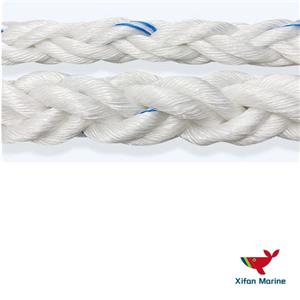
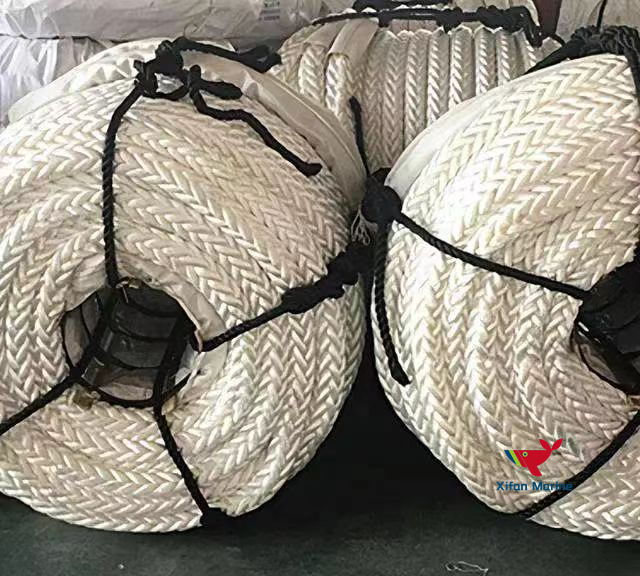
In fact, this kind of hemp rope can be regarded as an advanced version of ordinary hemp rope. After being processed with high-tech synthetic materials, the hemp rope has higher strength and is obviously stronger than ordinary hemp rope.
In addition, the reason why hemp rope can hold ships is because it has excellent flexibility and shock absorption function.
From the perspective of "flexibility", although the speed of the ship has decreased during the docking process, it will still be affected by external factors such as water flow and wind force. Although steel cables can tow ships, they are not flexible enough to adapt to changes in the external environment.
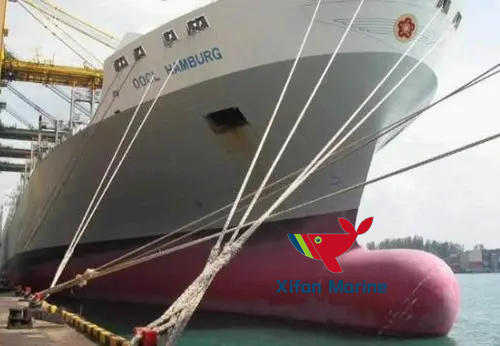
From the perspective of "shock absorption function", hemp ropes can effectively reduce the impact force between the hull and the dock, making the traction of the ship more stable.
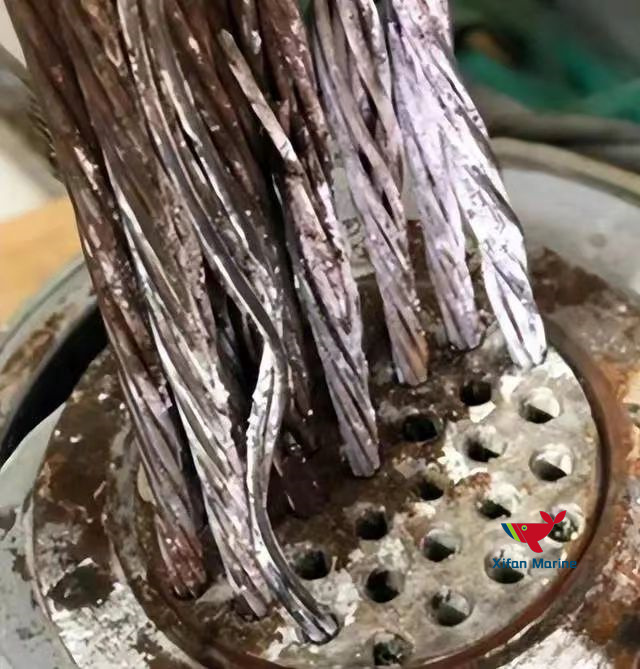
If steel cables are used, they are prone to rusting due to prolonged exposure to humid environments. Even if hemp rope is damp, it can easily dry, which is also one reason why hemp rope can outperform steel cables.
Therefore, overall, it is not that the tension of hemp rope exceeds that of steel cable, but in practical use, hemp rope has greatly enhanced its toughness due to its flexibility and elasticity, coupled with the improvement of modern technology. This phenomenon precisely demonstrates the principle of "using softness to overcome rigidity".
Why is hemp rope safer?
So, why is hemp rope less prone to breakage compared to steel cables?
This still starts with the flexibility of hemp rope. Hemp rope can deform appropriately under stress, thus better adapting to different fixing points and directions, achieving more precise fixation. In contrast, the deformation ability of steel cables is weaker, which may affect the quality and accuracy of fixation.
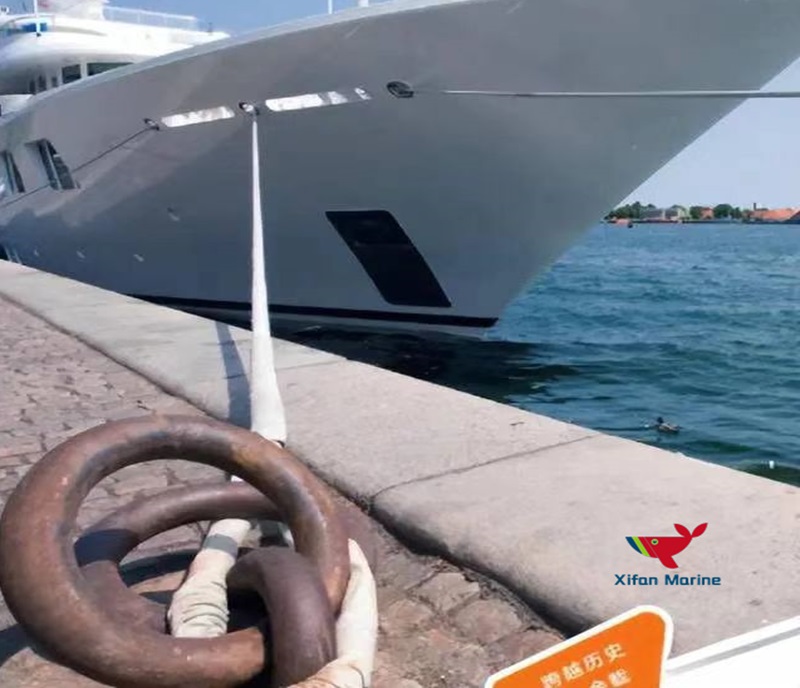
With the addition of modern technology, hemp rope has become more high-tech than ordinary household hemp rope. During its weaving process, sensor cables capable of measuring and wirelessly transmitting tension data are also embedded.
This enables real-time monitoring of the wear and tear of hemp ropes, and once aging is detected, they will be replaced promptly to ensure safety.
In addition, hemp rope also has the characteristics of wear resistance and corrosion resistance, can withstand huge impact forces, and is more durable than other materials. At the same time, it also performs well in humid and high humidity environments, making it particularly suitable for use at sea.
The danger of steel cables
Although hemp rope seems harmless, accidents caused by hemp rope breakage also occur from time to time in practical operation.
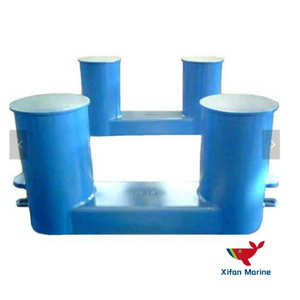
When the ship is about to dock, the staff need to fix the mooring rope on the mooring pile, which is extremely dangerous in ship port operations. Due to the swaying of the ship on the unstable sea surface, the ropes will also be tightened.
If the hemp rope suddenly breaks at this moment, it may instantly bounce away nearby people.
In addition, if fingers are accidentally pinched during the cable tying process, it can be quickly resolved in daily life, but it is difficult to handle immediately in emergency operations.
In addition, the continuous shaking of the ship can generate enormous pressure, which can easily cause injuries to the staff.
As for the steel cable, once it is subjected to a huge tensile force and breaks, it not only poses a huge threat to the surrounding workers, but even the hull is not spared. The hardness of steel cables can cause fatal injuries when they break.
A broken steel cable can also produce a large number of fragments, and even small fragments have great destructive power under the tremendous impact force, which is extremely dangerous for workers.
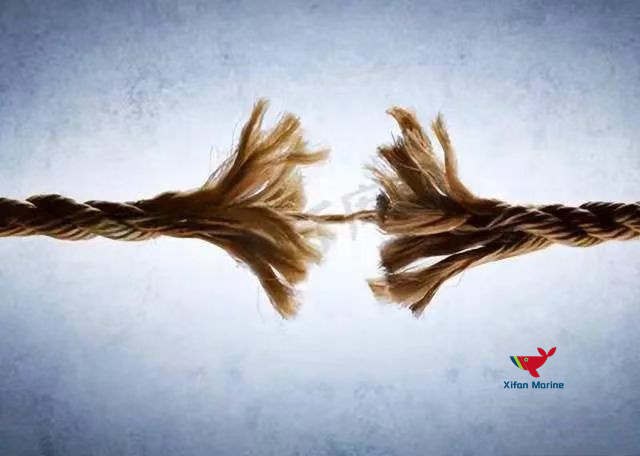
Therefore, if steel cables are chosen instead of hemp ropes during the berthing process of ships, the destructive force caused by the breakage of steel cables will far exceed that of hemp ropes, because the density and hardness of steel cables are higher.