- Home
- >
- News
- >
- Industry News
- >
- Mooring ropes types and functions
Mooring ropes types and functions
Mooring rope classification :
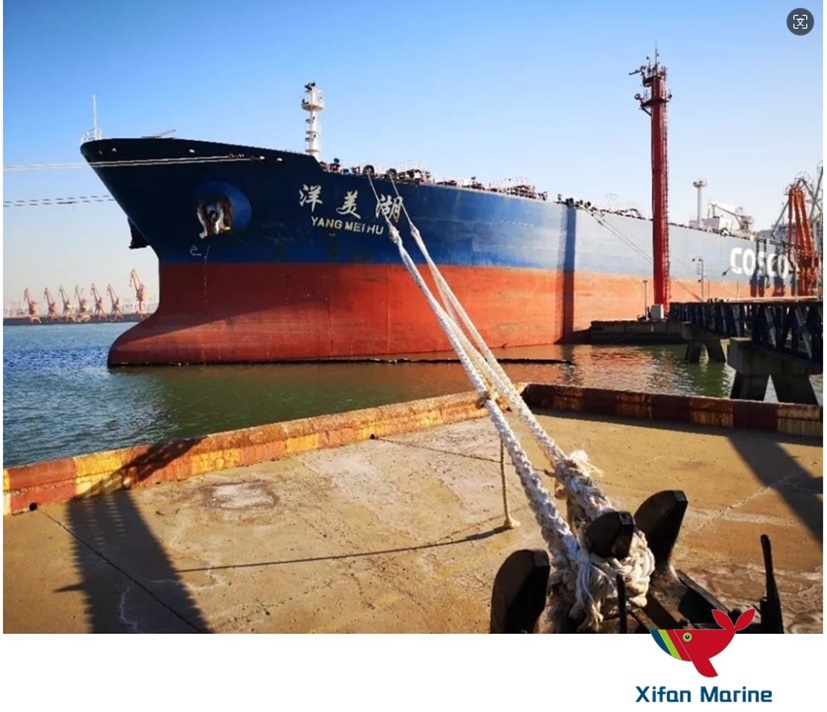
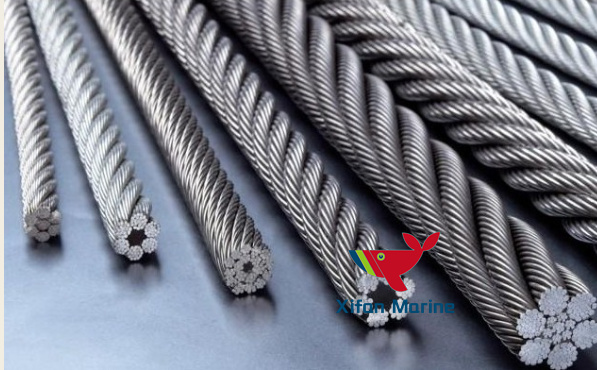
Marine mooring ropes are generally divided into: cables, ropes, and ropes
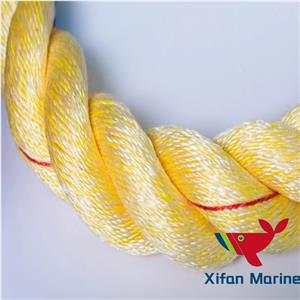
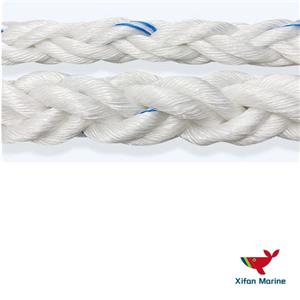
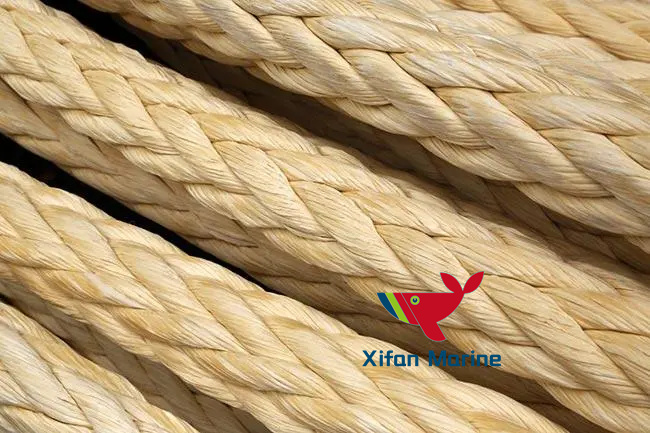
Materials: Plant fiber, chemical fiber, steel wire rope
Plant fiber:
White brown rope
Red brown rope
Oil hemp rope
Cotton hemp rope
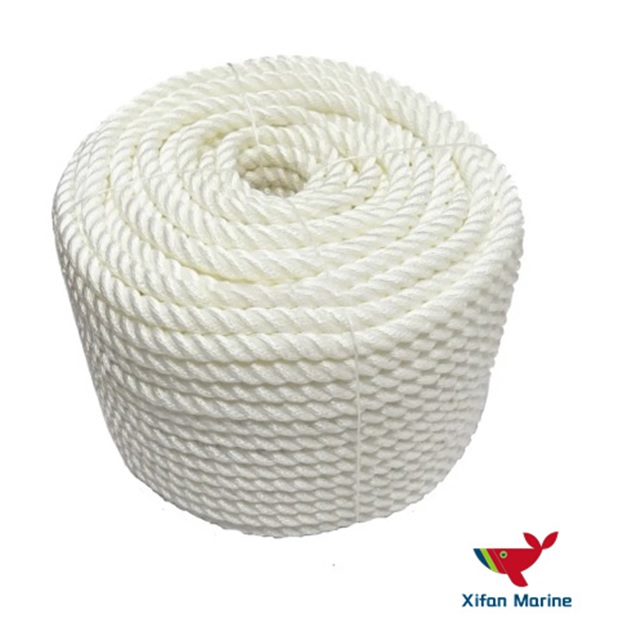
Chemical fiber:
Nylon rope
vinylon rope
Polyester rope
Ethylene fiber rope
Polypropylene rope
A wire rope
Hard steel wire rope
Semi-rigid steel wire rope
Fine wire rope
The function of mooring ropes :
First cable
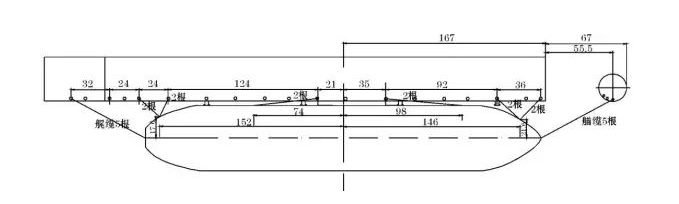
The first cable, also known as the lifting cable, prevents the ship from moving down with the water flow and allows it to dock.
Tail cable
The tail cable is sent out from the stern to prevent the ship from moving forward.
Head over cable
The first inverted cable, also known as the front inclined cable, is similar to the tail cable, and the key cable is to open the tail and leave.
Tail inverted cable
Tail inverted cable, also known as sitting cable, has the function of the first cable, and the departure of the sitting cable is the key cable.
Horizontal cable
The horizontal cable is perpendicular to the bow and stern lines, with one cable at each end to prevent the ship from moving outward.
Notes on tying mooring ropes :
Mooring cable
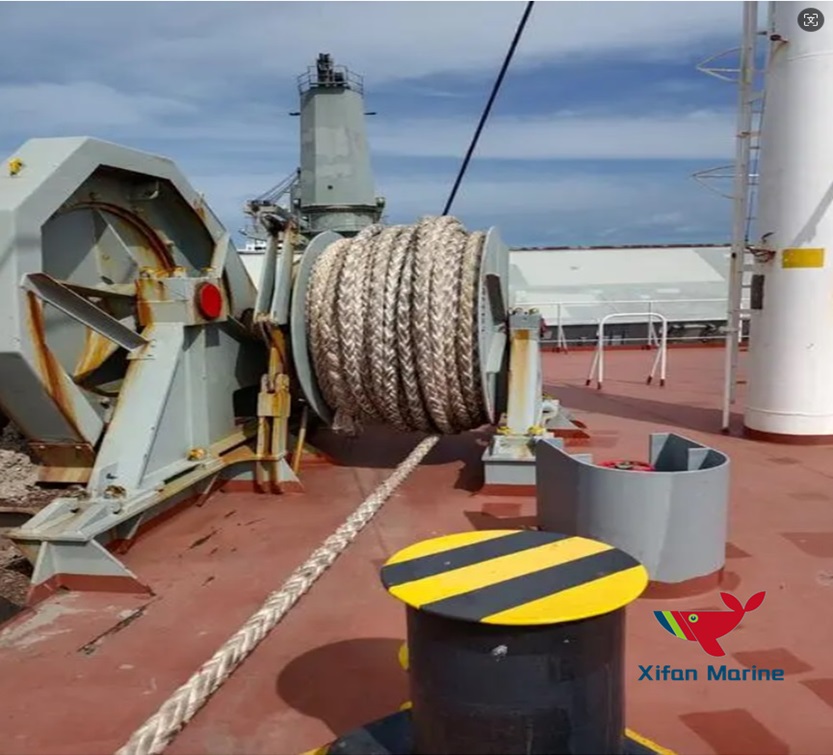
The sequence of cable laying and the speed of cable carrying when a ship docks can determine the smooth completion of the entire maneuvering plan. The order of cable installation is closely related to the wind speed and water flow during berthing.
Mooring cable
After berthing, the ship should check the angle and force of each cable to prevent wear and tear, as well as to prevent slipping and slipping.
Twist the cable when leaving the berth
The sequence of cable twisting during ship departure is related to the water flow and wind speed at the time of departure. Different departure methods are used in different situations to determine the sequence of cable twisting.